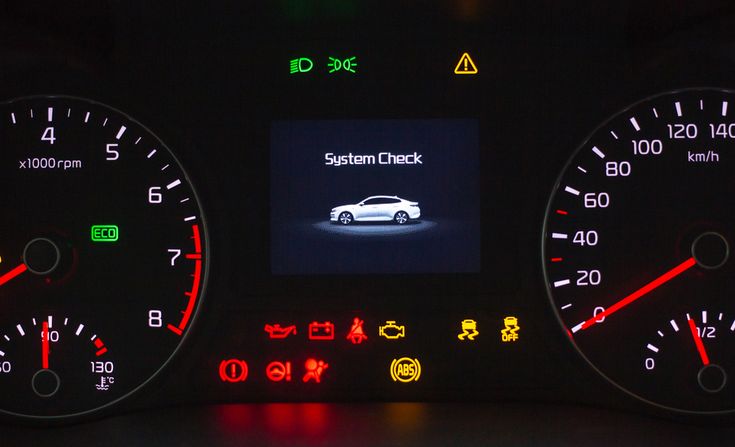
Buying a Used Car Is a Commitment, Not Just a Purchase
A used car does not stop costing money once you’ve paid for it. Repairs and wear items are inevitable, and they do not adjust themselves to fit your budget. The smartest way to protect yourself financially is to identify risks before buying. A thorough inspection helps you understand what you are committing to and prevents expensive surprises later.
Exterior Inspection: What the Body Tells You
A vehicle’s exterior often reveals its past. Stand at an angle and look down the length of each panel to check for colour variations that may indicate accident repairs or respraying. Uneven panel gaps around doors, the bonnet, and the boot can suggest replaced or poorly aligned parts.
Inspect for rust around window seals, inside the boot, beneath carpets, and along door edges. These areas can reveal water leaks or even flood damage. Small cosmetic flaws are normal for a used car, but structural or rust-related issues should always raise concern, as they are costly and difficult to fix properly.
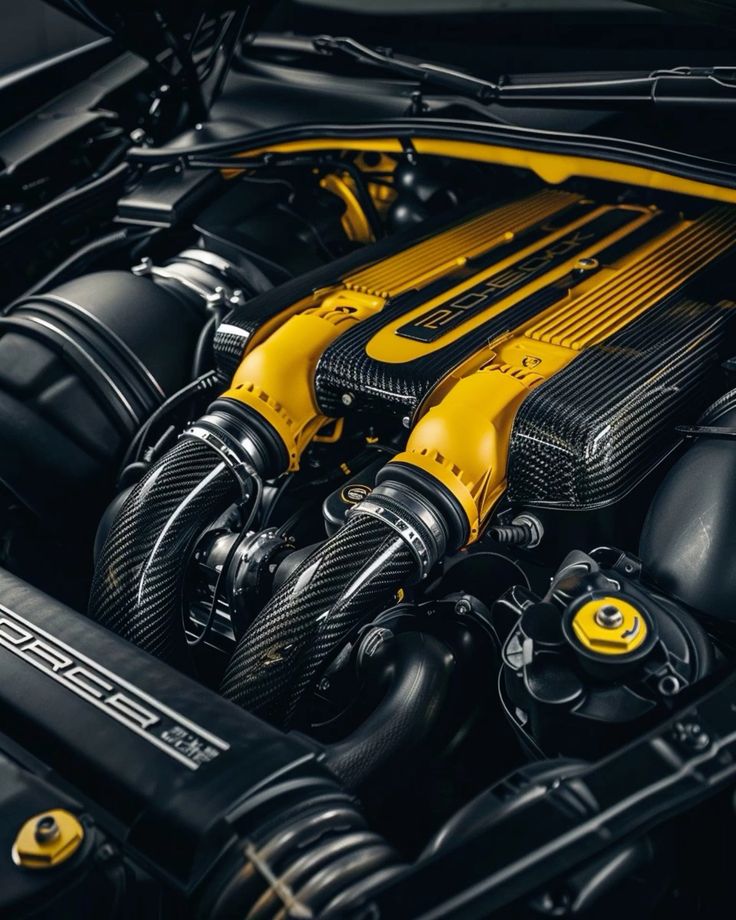
Engine Bay Inspection: Reading the Signs Under the Bonnet
You don’t need to be a mechanic to spot warning signs in the engine bay. An engine that is unrealistically clean can be a red flag, as leaks may have been recently washed away. A healthy engine bay typically shows light dust but no fresh oil or fluid residue.
Check the oil dipstick carefully. Thick, black sludge suggests neglected servicing, while milky or creamy oil points to coolant mixing with oil, often caused by a failed head gasket. This is one of the most expensive engine repairs and should never be ignored.
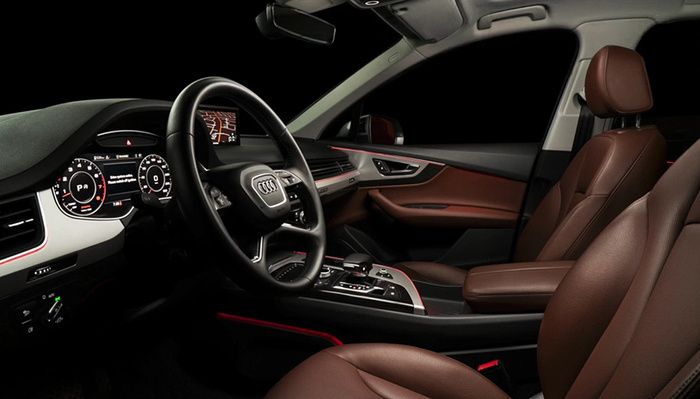
Interior Inspection: How the Car Was Truly Treated
The condition of the interior reflects the habits of the previous owner. Torn upholstery, sagging roof linings, cracked dashboards, burn marks, and unpleasant smells such as smoke or mould indicate neglect and reduce long-term value.
Test every control you can reach. Make sure windows, mirrors, seat adjustments, indicators, steering controls, air conditioning, and infotainment systems work correctly. On modern vehicles, electronic and software-related issues can be more expensive to repair than mechanical ones.
Test Drive: Let the Car Speak
A test drive is non-negotiable. Pay attention to how the car feels, sounds, and responds. Delayed or rough gear changes can indicate transmission problems. Clicking or grinding noises when turning fully can signal CV joint wear. Brakes that feel soft, shudder, or vibrate often point to worn pads or warped discs.
Watch the exhaust closely. Excessive smoke, especially blue or white smoke, may indicate internal engine wear or coolant issues. Any unusual behaviour should be noted and discussed with a qualified mechanic or inspection service before committing to the purchase.
Post-Purchase Maintenance: Plan Your Budget in Advance
No used car is truly maintenance-free. Even a well-kept vehicle will require routine servicing and wear item replacement. You should plan financially for regular oil and filter changes every 10,000 to 15,000 kilometres, brake pad replacement roughly every 20,000 to 40,000 kilometres, tyre replacement between 35,000 and 50,000 kilometres, and a new battery every two to four years.
Reputable dealerships are upfront about upcoming service needs. Transparency signals professionalism and allows buyers to plan responsibly, reducing financial strain after purchase.
Final Thought
A careful inspection is not about finding a “perfect” car—it’s about understanding the condition, risks, and future costs. The more you know before buying, the better protected you are once the car becomes your responsibility.