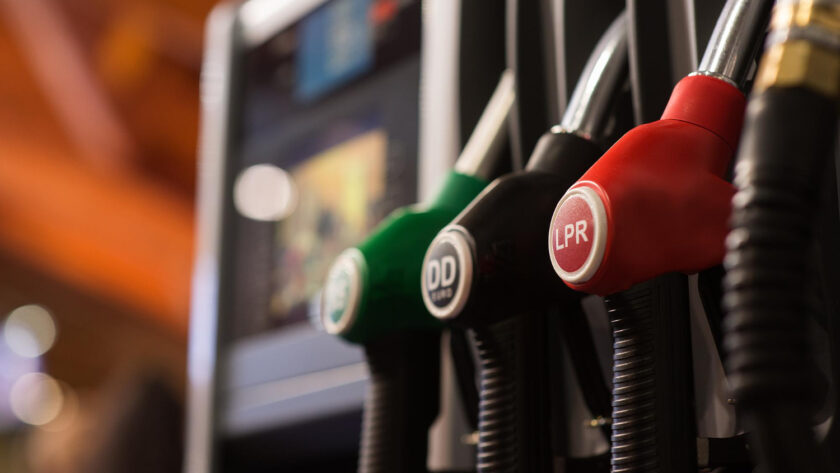
Diesel vs Petrol in South Africa: Making the Right Choice
Choosing between diesel and petrol is one of the most common challenges South African car buyers face. The correct choice depends on how you drive, how far you travel, what you can afford to maintain, and where you drive most often. Neither option is universally better—the right decision comes down to matching the engine type to your real-world usage.
Diesel Engines: Best for Long Distances and Heavy Loads
Diesel vehicles are most suitable for drivers who travel long distances regularly or need strong pulling power. Diesel engines are more fuel-efficient on highways, making them ideal for frequent road trips or high-mileage driving. Their higher torque output also makes them better suited for towing trailers, caravans, or carrying heavy loads.
When maintained correctly, diesel engines are known for durability and can last many years, especially under consistent long-distance driving conditions.
Diesel Ownership Considerations
Diesel engines do not cope well with repeated short trips. Frequent cold starts and stop-start driving can lead to turbo wear, blocked diesel particulate filters, and carbon buildup. This makes diesel a poor choice for drivers who mainly travel short urban distances.
Fuel quality is another important factor. Using clean, high-quality diesel from reliable, high-turnover stations reduces the risk of contamination and injector damage. Maintenance is also more critical with diesels, including regular oil changes, turbo inspections, and correct timing belt servicing. Skipping these can result in very expensive repairs.
Petrol Engines: Ideal for City and Short-Trip Driving
Petrol vehicles are generally better suited for stop-start city traffic and short daily drives. Petrol engines warm up quickly and are less affected by frequent short trips, making them more forgiving in urban driving conditions.
Petrol cars usually have a lower purchase price compared to diesel equivalents and are cheaper to maintain overall. With fewer high-cost components such as turbochargers and complex fuel systems, petrol engines tend to be simpler and more affordable to repair.

Cost Comparison Between Diesel and Petrol
Fuel costs vary depending on driving patterns. Diesel vehicles are typically more economical for long-distance or highway driving, while petrol vehicles often cost less to run in city environments. When it comes to servicing and repairs, diesel engines are more expensive due to specialised parts and labour.
In terms of resale value, diesel vehicles often retain value better for high-mileage users, such as long-distance commuters. Petrol cars usually make more sense for low-mileage, city-based drivers who prioritise simplicity and lower ownership costs.
Final Recommendation
Diesel is the better choice if you drive long distances regularly, spend most of your time on highways, or frequently tow heavy loads. Petrol is the smarter option if your driving is mostly urban, your trips are short, and you want lower maintenance complexity and upfront costs.
Always base your decision on how you actually drive, not how you expect to drive. Matching the engine type to your lifestyle is the key to long-term satisfaction and affordability.