Electric Cars in South Africa: Are They Practical Today?
Electric vehicles (EVs) are no longer just a future concept in South Africa. They are already on our roads, slowly becoming part of everyday transport. However, whether an electric car makes sense for you right now depends heavily on your lifestyle, where you live, and how you use your vehicle day to day.
Charging Infrastructure in South Africa
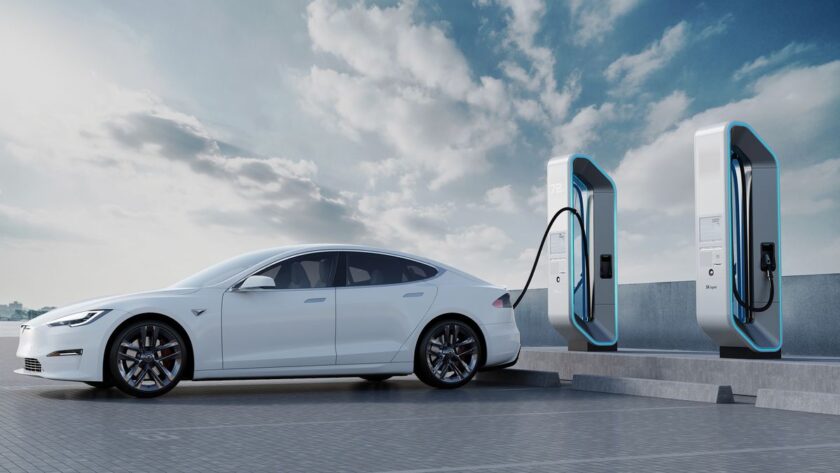
South Africa’s public EV charging network is expanding steadily, especially along major highways and in large urban centres. Cities such as Johannesburg, Pretoria, Cape Town, and Durban have the most reliable access to public chargers, including fast-charging stations at shopping centres, business parks, and fuel stations.
That said, charging infrastructure is still limited outside major metros. Rural areas, smaller towns, and secondary travel routes may have very few or no public charging options at all. This makes planning long-distance trips more complicated and sometimes impractical for EV owners who travel beyond the main routes.
For this reason, EV ownership is currently far more suitable for urban residents than for those living in remote or less-developed areas.
Who Electric Cars Work Best For
Electric vehicles are ideal for drivers with predictable, short-to-medium daily travel needs. If your daily commute is under 100–120 km, an EV can easily handle your routine on a single charge.
They are especially practical for people who have access to secure home charging or workplace charging. Being able to charge overnight at home or during work hours removes the stress of relying on public charging stations.
City-based drivers who mostly drive within metro areas, attend meetings, run errands, and commute consistently are the best candidates for EV ownership in South Africa right now.
When Electric Cars Are Not the Best Choice
EVs are still not ideal for everyone. Drivers who frequently travel long distances through rural areas may find EV ownership frustrating due to limited charging availability. A single unexpected detour or unavailable charger can disrupt travel plans.
People who do not have access to home or office charging may also struggle, as depending solely on public chargers is inconvenient and time-consuming.
In addition, EVs are not yet budget-friendly for buyers looking for low upfront costs. Entry-level electric vehicles are significantly more expensive than comparable petrol or diesel cars.
Maintenance Costs: Lower, But Not Zero
One of the biggest advantages of electric cars is reduced maintenance. EVs have far fewer moving parts than internal combustion vehicles. There are no oil changes, timing belts, exhaust systems, or traditional gearboxes to service.
However, EVs are not completely maintenance-free. Owners still need to maintain brake fluid, cabin air filters, and tyres. Because EVs are heavier than petrol vehicles and deliver instant torque, tyre wear can be faster than expected.
The battery cooling and management system also requires occasional inspection, depending on the manufacturer and model. While battery failure is rare, it is extremely expensive to repair or replace. For this reason, checking the battery warranty when purchasing a new or used EV is critical.

Running Costs Compared to Purchase Price
Electric vehicles are far cheaper to “fuel” than petrol or diesel cars, especially for daily commuting. Electricity costs are generally lower than fuel costs per kilometre, even with ongoing electricity price increases.
Maintenance savings also add up over time, as there are fewer service items compared to traditional engines. However, these savings must be weighed against the higher purchase price of EVs, which remains one of the biggest barriers to adoption in South Africa.
Insurance costs can also be higher for EVs due to the price of specialised parts and limited repair options. As a result, although EVs offer long-term savings, the financial benefits are most noticeable for high-mileage daily commuters rather than occasional drivers.
Battery Life and Long-Term Ownership
Modern EV batteries are designed to last many years. Most manufacturers offer battery warranties ranging from 8 to 10 years or a specific mileage limit. Battery degradation happens gradually and usually does not affect daily driving in the early years of ownership.
For buyers considering a used EV, battery health reports and warranty status should be carefully checked to avoid unexpected costs.
Final Verdict: Is Now the Right Time to Go Electric?
Electric cars make sense in South Africa today if you live in a major city, have access to reliable home or workplace charging, and drive predictable daily distances. In these conditions, EVs offer lower running costs, quieter driving, and reduced maintenance.
However, for drivers in rural areas, frequent long-distance travellers, or those focused primarily on purchase price, petrol and diesel vehicles may still be the more practical option for now.
Electric vehicles are viable — but not universal — and choosing one today should be a carefully considered decision rather than an impulse buy.